

A Beginner’s Guide to Dissertation Data Analysis
Data analysis plays a significant role in dissertation research by providing evidence to support the findings and ensure the study makes a significant contribution to the existing field of knowledge. By applying various analytical procedures, scholars identify patterns and trends within data and gain valuable insights, thereby distinguishing the phenomenon of interest from the meaningless information present in data. For individuals seeking dissertation data analysis help, our professionals provide specialized assistance with qualitative, quantitative, and mixed-methods analysis for dissertations in any research field. Our dedicated experts specialize in software tools such as SPSS, R, Python, Minitab, Tableau, Excel, MATLAB, NVivo, and MAXQDA, among others. This article provides a comprehensive overview of data analysis in a dissertation, illustrating the process followed, the techniques applied, and how to write up the data analysis section of the dissertation.
What is Data Analysis in a Dissertation?
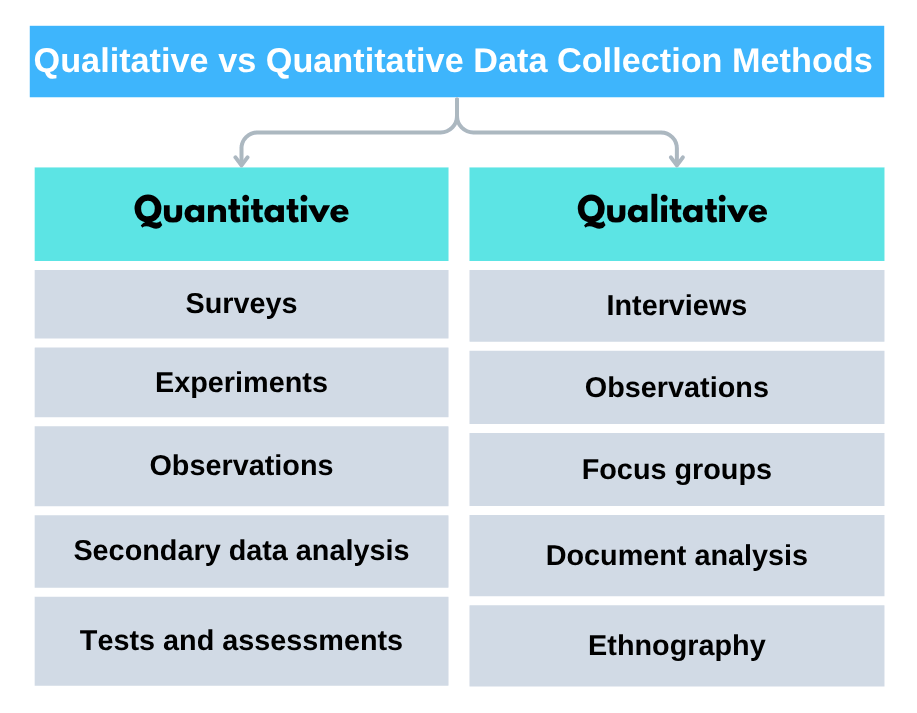
Data analysis in a dissertation is the process of analyzing and interpreting collected data using analysis techniques and tools to make meaningful conclusions that are used to answer research questions, validate hypotheses, and advance research. Dissertation data analysis involves cleaning and preparing data, applying analytical techniques and tools to analyze data, interpreting results, and communicating the findings. Data analysis in a dissertation can be quantitative, qualitative, or a combination of both, depending on the research questions and the structure of the data.
How to Do Dissertation Data Analysis?
Step 1: Data Preparation
Data preparation involves applying the necessary quality management methodologies to ensure that the data is suitable for analysis. By preparing data before conducting dissertation data analysis, scholars and researchers ensure that the data used yields reliable findings and identifies and addresses data issues that might otherwise remain undetected. Techniques utilized when preparing dissertation data for analysis include data cleaning, integration, reduction, transformation, and curation.
Step 2: Selecting the Right Tools for Analysis
Software tools simplify the dissertation analysis process by checking if assumptions are met, sorting through large datasets, coding data, developing themes, or visualizing results, thus making it easier to draw meaningful conclusions. The criteria for selecting the right software tools for data analysis include (a) structure of data, (b) data analysis techniques to be applied, (c) scalability, and (d) project requirements. Data analysis tools can be categorized into two main types: qualitative and quantitative software. Some examples of software used for quantitative analysis in a dissertation include SPSS, Python, Excel, R, STATA, SAS, Minitab, MATLAB, and Tableau. Common qualitative data analysis software operated for dissertations are NVivo and MAXQDA.
Step 3: Understanding Your Data
Understanding data involves exploring the data using graphics and visuals to comprehend the dataset’s structure and identify outliers. Understanding dissertation data before analysis enables researchers to assess the quality of the data and determine its suitability for analysis, facilitating the implementation of the appropriate analytical techniques. By conducting an exploratory data analysis of the dissertation data, researchers also identify issues that may compromise the accuracy of the analysis.
Step 4: The Analysis Process
The dissertation analysis process involves applying qualitative or quantitative techniques to raw data to draw meaningful conclusions that address research questions/ hypotheses, enable understanding of complex phenomena, and identify patterns, trends, and themes. For quantitative dissertation analysis, the scholar utilizes statistical techniques and tools to analyze data, summarize large numerical datasets, make predictions, draw inferences, and determine whether an experiment has yielded significant outcomes. In qualitative dissertation analysis, the researcher organizes and prepares data, familiarizes themselves with the material, codes it, identifies recurrent patterns and themes, and interprets the findings.
Step 5: Data Visualization
Data visualization is an important process in dissertation data analysis because it helps convert complex and large amounts of data into a visual format that is easy to understand and interpret. With the help of graphical presentations, such as tables, graphs, maps, dashboards, and infographics, doctoral students can understand the underlying structure of the data and effectively communicate the findings of their analysis. For qualitative dissertations, data is visualized using text networks, heat maps, word clouds, flow charts, or mind maps. Common data visualization tools utilized in dissertation data analysis include Tableau, Power BI, R (ggplot2, Plotly, lattice, and leaflet), and Python’s libraries (Seaborn, Matplotlib, and Plotly).
Step 6: Interpretation of Results and Write-up
Interpretation of dissertation analysis results involves (a) Illustrating how the results contribute to answering research questions, (b) identifying patterns, trends, and relationships within data, (c) placing the results in the context of existing theories, concepts, and previous research, and (d) discussing limitations faced, implications, and direction of future research. After interpretation, the scholar composes a report demonstrating the statistical techniques or qualitative analysis methods used, describes the software, and displays the findings. If you are in the market for dissertation data analysis help, our certified statisticians and data analysts provide the best dissertation analysis services for postgraduate students in multiple disciplines.
How do I Write Up the Data Analysis Section in a Dissertation?
In the data analysis section of a quantitative dissertation, the first step is to state the research questions or hypotheses addressed by the analysis and then describe the dependent and independent variables. The second step involves illustrating how the researcher tested the assumptions of the statistical tests used. The third step is demonstrating the name and description of each statistical technique employed and the analytical tools used in the dissertation. In the fourth step, describe any subsequent analyses, such as post hoc analysis, that are conducted if the dissertation study has statistical significance.
To compose the data analysis section of a qualitative dissertation, the first step involves illustrating the methods used to prepare the data, which include transcribing audio and video recordings and reviewing observation notes. In the second step, demonstrate the qualitative analytical procedures applied and the software tools used to conduct the dissertation analysis. The third step involves illustrating the coding procedures, and the fourth step entails demonstrating the methods used to ensure the validity and reliability of the qualitative analysis findings.
Quantitative Dissertation Data Analysis Techniques
1. Descriptive Analysis Methods
Descriptive analysis techniques are used to summarize data and demonstrate the relationship between variables in a sample. Common descriptive analysis methods applied in dissertation analysis include measures of central tendency and variability. Measures of central tendency demonstrate the point around which data revolves, and they include the mean, mode, and median. Measures of variability demonstrate how spread out the values are from the central digit, and they include range, standard deviation, and variance.
2. Inferential Analysis Methods
Inferential analysis techniques are used to make conclusions about a large population based on data gathered from a small sample. In dissertation data analysis, inferential statistical techniques are mainly used to estimate a population parameter from a sample and test hypotheses. Common inferential analysis procedures applied in dissertation analysis include t-tests, Analysis of Variance (ANOVA), chi-square tests, regression, structural equation modeling, Mann–Whitney U test, Fisher’s exact test, and Kruskal–Wallis-test.
Qualitative Dissertation Data Analysis Techniques
1. Thematic Analysis
Thematic analysis is a qualitative analysis method used to identify recurrent themes and patterns in data. Doctoral students conducting a thematic analysis for their dissertation can apply various approaches, including inductive and deductive thematic analysis. By applying the thematic analysis approach, scholars gain a comprehensive understanding of the respondents’ behaviors, opinions, and perspectives.
2. Content Analysis
Content analysis is a method used to identify and understand meaning in recorded data by separating small pieces of the data that represent important concepts and developing a framework that sorts the pieces in a way that describes the phenomenon under study. Other qualitative dissertation analysis techniques include grounded theory, discourse, and narrative analysis. For professional dissertation data analysis help tailored to your specific aims and objectives, contact our certified consultants to discover how we can help.


Are you Seeking Legit Dissertation Data Analysis Help Online?
Data analysis is one of the important procedures in dissertation research because it ensures that conclusions made are evidence-based rather than influenced by subjective interpretation. Applying analytical methods to data collected for dissertation research enhances the credibility of the results, facilitates the generalization of findings to the broader population, addresses research questions and hypotheses, and makes a significant contribution to the field as a whole. For most PhD students, especially those unfamiliar with analytical procedures and techniques, the data analysis process can seem complex. Applying quantitative/qualitative analysis methods, operating software tools, and interpreting results are procedures that require underlying analytical skills and expertise, which is why getting help with dissertation analysis from our experts is essential.
With our legit dissertation data analysis services, we assist clients with (a) ensuring that assumptions are met, (b) conducting quantitative, qualitative, and mixed methods analysis, (c) interpreting results, and (d) composing analysis reports that meet the highest academic standards.
Why Hire Our Experts for Dissertation Data Analysis Help?
Our team consists of certified statisticians and skilled data analysts with extensive background experience in helping PhD students conduct data analysis and compose reports for their dissertations.
When choosing our professionals, we select the best experts with PhD and Master’s degrees in analysis-related fields such as computer science, data science, mathematics, and statistics.
After conducting analysis, we provide unlimited revisions on dissertation data analysis reports until our clients are satisfied with the final write-up.
When clients choose our experts for dissertation data analysis, we provide a guarantee of the privacy of their data. From receiving the data to conducting the final analysis, the client’s data is handled with care by skilled professionals who ensure data integrity and confidentiality.
We assure clients of the timely delivery of dissertation analysis results, even with tight deadlines. Our professionals conduct the dissertation data analysis and deliver results within the specified timeframe without compromising on quality.
Summary
Data analysis is an important procedure in dissertation research that provides evidence to support research and ensure that the study makes a significant contribution to existing knowledge in the field. For accurate and reliable results, the PhD student should possess analytical skills, which is why obtaining expert assistance is essential. Get exceptional dissertation data analysis help from our experts by joining our live chat to talk to one of our competent customer service agents for any inquiries or to place an order. You can also review our About Us section to learn more about our services.